

How to Choose a Built in Microwave For Wall Unit
A built-in microwave for wall units offers a sleek design for your kitchen and also frees up counter space. They can also be installed at a level that is comfortable or near other cooking appliances, like a wall oven.
They can be put in the appliance garage, cabinet or hidden from view. Trim kits can be purchased for an individual look. They can be fitted with child safety locks to stop accidental use.
Size
Installed in cabinets or fixed to the wall, built-in microwaves can help you reclaim counter space while giving your kitchen a more modern look. This is a great option for kitchens of all sizes, and lets you take advantage of the benefits of a kitchen remodel without a complete renovation. Consider the size and features of microwaves to ensure it is suitable for your requirements.
Make sure you measure the opening for the built-in micro prior drilling into the drywall or cabinetry to make sure it is the correct size. Some models require that vents be placed in the wall. This can add costs and make the process more complicated. Install your new microwave by an expert if it is possible to avoid making mistakes.
The interior capacity of a built-in microwave determines how much food you can cook at one time. If you're cooking for an entire family, you should choose an extra large model that can accommodate everyone's food. If you like to cook dishes that require multiple steps, like a casserole look into the use of a microwave with an expandable turntable.
The dimensions of the exterior of built-in microwaves differ based on the model. However, they are generally normal. Review the product's details to find out how large, tall and deep a microwave is. Check the power settings, and also whether the microwave has a quick start button or a defrost feature.
Some microwaves feature digital displays that show the condition of your food at an instant. Some models are equipped with convenient features, such as an automatic sensor that sets the right amount water for steaming popcorn and vegetables. The more options for control your microwave has, the easier it will be to heat and cook food with precision.
Design
Microwaves that are integrated into cabinets or fixed to a wall, make space for counter space and give the kitchen an integrated appearance. This requires an electrician to install the microwave in the electrical system in your home. This solution is also more expensive than the countertop microwave.
Certain manufacturers have a trim set that permits designers to incorporate an inbuilt microwave into the cabinetry alongside the other kitchen appliances and fixtures. This is a great option to get a custom design without the expense of a complete kitchen renovation. The microwave requires air clearance on all sides and also the back to function properly. a Kitchen Designer needs to plan the layout for this type of installation.
Another popular option is to stack a built-in microwave and wall oven. This is a great option for Transitional and Traditional kitchens. Manufacturers offer trim kits for flat and louvered microwaves that fit the width of standard wall ovens making this an easy and practical installation.
A Kitchen Designer can use a cabinet door or tambour door, or a flip-up door to hide the microwave when it's not in use. There are many different styles of doors to choose from including pocket, tambour and swing-up doors that can assist in making a microwave more compact and blend with the Kitchen's other cabinets.
One thing that should never be done is to put the microwave in front of a window. This can block light and it's not recommended from a safety standpoint since the microwave can be extremely hot when in use and could cause damage or break windows. Additionally, a microwave storing right in front of an opening will block the view and make it difficult to keep your Kitchen tidy.
microwave and oven integrated
Consider a built-in microwave in your cabinet for a sleek design. These models can be installed at a comfortable height or next to other appliances like wall ovens to simplify cooking and meal prep.
Many built-in microwaves are available in a range of sizes to fit your space. There are models available that measure between 24 inches and 27 inches to fit in most cabinets or 30 inches models that will perfectly fit over an oven. You can pick from a variety of wattages, ranging from 800 to 1200 watts. The greater the wattage of your cooker, the faster it will cook and the more evenly heated it will be.
When selecting a model make sure you check the dimensions of your cabinet's opening as well as the electrical outlet prior to making any purchase. You may require a professional install your microwave to ensure operation and to ensure compliance with local electrical codes.
Before you begin any installation, ensure that the power is off at the junction boxes and remove the cover if needed. Connect the cable from the junction box to the new microwave by using the UL-listed or CSA approved half inch diameter conduit. Use a screw to secure and tighten the conduit.
After the installation is completed the kitchen will appear streamlined and sophisticated. This will allow counter space for other tasks. To achieve a uniform appearance, choose an stainless steel microwave that coordinates with other Whirlpool(r) appliances to create a seamless kitchen design. You can add an integrated wall oven microwave combo that combines the functions of an oven with a full size and a microwave into one convenient appliance.
Controls
The controls of a built-in microwave can help you set meals' timers, freeze food and cook a variety dishes. Some of them are more user-friendly than others, which is why it's crucial to choose one that includes the features you use often. If you often cook pizza or frozen meals in the microwave, choose a model that has pre-programmed options. Other options for control include sensor cooking, which automatically adjusts the power levels based on the type of food you are cooking and defrost settings, which allows you to defrost food in half the time taking moisture out of frozen food before microwaving.
While countertop microwaves, also known as freestanding microwaves are a convenient option in many kitchens, built-in models are believed to be sleeker and more sophisticated. They're incorporated into cabinets or fixed to the wall, freeing up counter space and creating a seamless appearance. Built-in microwaves are usually available in a variety of finishes, such as black, white and stainless steel. Some even come with the Flush Built-In Design, which allows the appliance to sit flush with conventional cabinet depths.
Most microwaves with built-in appliances have a door that opens and closes in order to reveal the microwave. Some hinged models, whereas others slide out or open like a drawer. You can also find models that have a right-to-left swing out or drop-down doors. These permit you to open the microwave in your preferred direction and position. Unlike countertop microwaves, built-in models require ventilation to ensure that the air is circulated correctly. Installation for these types of microwaves is usually more complicated and should be performed by an expert to ensure proper ventilation and security. Depending on the model and installation type, some microwaves with built-in ovens might cost more than freestanding alternatives.
Safety
The microwave is a major appliance in your kitchen, and it is essential to take steps to ensure its stability. This helps to avoid damage and accidents, as well as ensuring a functional and organized kitchen. Use brackets and screws to secure your microwave to a shelf. Follow the manufacturer's instructions to avoid damaging or loosing your microwave.
If you want an appearance that is more sleek place your microwave in a lower or upper cabinet. This will hide the wiring and cords, and it can also be an option that is safer since it reduces your chances of spilling food or other liquids. To give your microwave a more integrated appearance, you can employ an appliance trim kit to fill in the space between the cabinet and microwave.
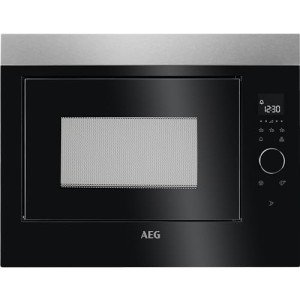
Another method of hiding your microwave is to put it in a niche or recessed area on the wall. This is a great solution for small spaces and will free up counter space. But, it is important to keep in mind that this type of installation requires a professional installation, which is a cost.
You can also install the microwave in a corner of the room. This is a great option for small kitchens, but you will need to bend or squat to reach the microwave.
It's important to regularly clean your microwave and surrounding areas to remove any debris, particularly explosive materials. You should also check the microwave's electrical wiring and power cords on a regular basis to ensure their quality. If you find signs of wear, seek out a professional to repair or replace the microwave.